
Feature Articles
Information Security Training Requirement
Information security is everyone’s responsibility. All CU employees must complete the Information Security Awareness course within their first 60 days of employment and every two years thereafter.
Need to complete the course or have questions about the requirement? Visit Information Security Course Compliance FAQs [1] to learn how to access the course, find answers to common questions and get help if you need it.
Stay informed. Stay compliant. Help keep CU secure.
Custom text
Why it's important to report suspected incidents
If you believe an information security incident has occurred, it's important to report it as soon as possible. This allows the investigative team to act quickly to determine the level of impact and contain the incident. Learn more about reporting. [2]Campus Contact Information
Protecting CU’s sensitive data is a top priority for the university, especially as new threats and risks emerge daily. Each campus has a dedicated information security officer and support team focused on safeguarding our data. They are available to assist with incident reporting, general inquiries, and other security-related matters. Make note of your campus information. [3]News
News channel
Articles

Adopt these simple yet crucial steps to keep our confidential data safe. Read More [4] [5]
Strong and secure passwords are essential for protecting personal and sensitive university data. Read More [6]

MFA is a crucial security feature designed to verify your identity before granting access to accounts. Read More [7]

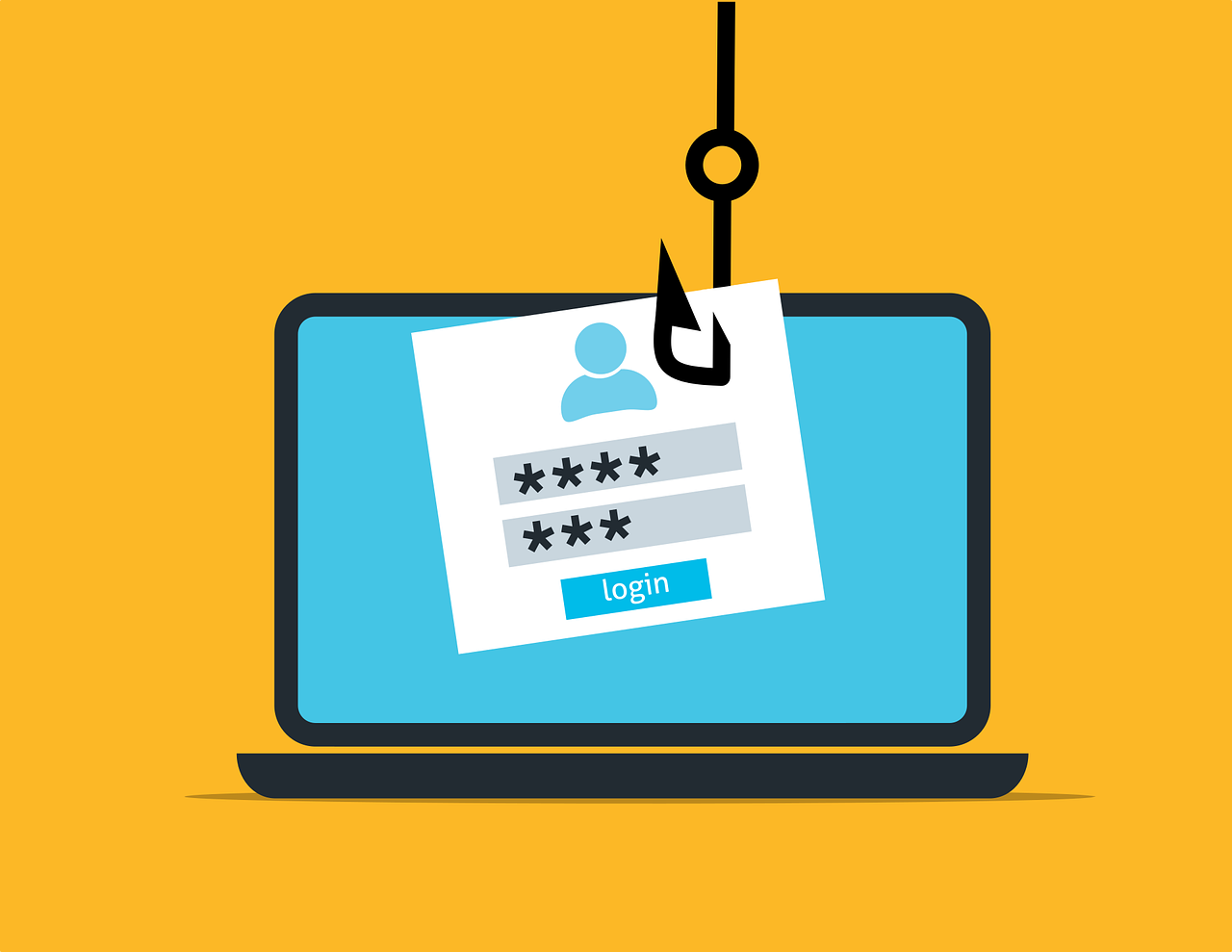
Before clicking any links or downloading attachments, assess the email’s legitimacy. Read more [9]

Kids are especially vulnerable to cybercrime. Teach them good security behaviors. Read more [10]
Top Policies and Standards
Custom text
Top Policies, Standards, Guidelines to Know
IT Security Program [11]
Serves as the core for the university's information security activities and provides general guidance.
Systemwide Security Baseline Standards [12]
Provides guidelines for selecting and specifying security controls for organizations and information systems.
Data Classification [13]
Provides guidelines for classifying university information and helps determine minimum security requirements necessary to keep it safe.
Collection of Personal Data from Students and Customers [14]
Provides requirements for the collection of personal data from students and other customers of the university, and for detecting warning signs associated with identity theft.
Retention of University Records [15]
Establishes universitywide records retention policy and records retention schedules to comply with state law and align with best practices.
Electronic Communications [16]
Establishes electronic communication as the official means of communication and related parameters for use.
Security Guidance for Software as a Service (SaaS) [17]
Provides security guidance for departments and teams who are considering SaaS options for their technology needs.
Visit the Policies [18] webpage for an expanded list.