2026 Excellence in Leadership Award winners create a brighter future for CU [1]
The Excellence in Leadership Program (ELP) [3] has been fostering leadership and building connections within CU for 25 years [4]. In 2009, the program started shining a spotlight on ELP alumni who went on to accomplish outstanding things at their campuses.
This year, the Excellence in Leadership Award honors two exceptional leaders in the CU community, one staff member and one faculty member, who’ve made remarkable contributions to their campuses and future leaders. This year’s winners — Stephanie Hanenberg [5], the interim vice chancellor for enrollment management and student affairs at UCCS; and Natalie Serkova [6], professor and vice chair for research in the Department of Radiology at CU Anschutz — will be honored at the annual Excellence in Leadership Luncheon and Lecture [7] on April 10.
Learn more about the 2026 award honorees below.
Stephanie Hanenberg encourages student-focused leadership at UCCS
Before Stephanie Hanenberg joined UCCS as the director of Health Services in 2005, she’d earned her bachelor’s degree in nursing from Beth-El College of Nursing (the school later merged with UCCS [8]), and her master’s degree in nursing and family nurse practitioner certification from UCCS. To say she has roots in the community is an understatement.
“I did my clinicals for community health and really enjoyed having a broader impact in the community. And the night of my graduation, I got a call from a private boarding and day high school that I had applied to,” Hanenberg said. “Never really saw myself going that route, but when they offered me the position, it became my passion for the rest of my career.”
Hanenberg’s nursing career started at that boarding school, and since then, she’s remained in high school and college settings. She’s also been active in local community health and national initiatives, assisting two local high school teachers with the launch of the Mindfulness and Positivity Project [9] in Colorado Springs and serving as president of the American College Health Association.
Upon arrival as a staff member at UCCS, Hanenberg took on the challenge of expanding the breadth and complexity of health services offered by the school.
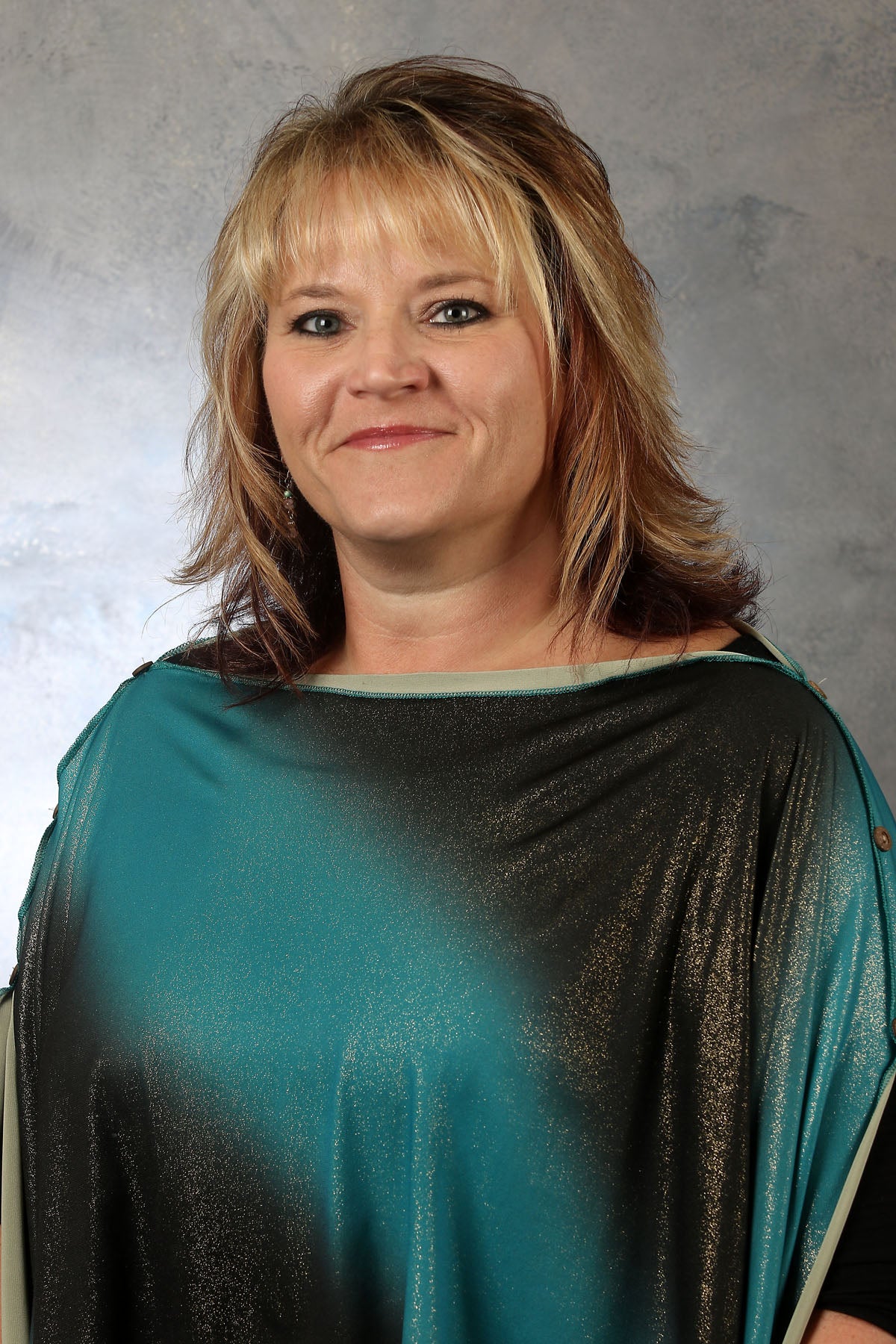
Stephanie Hanenberg, interim vice chancellor for enrollment management and student affairs at UCCS
“When I started as director of health services, it was pretty much myself and a director of counseling, Benek Altayli, and that was about it,” Hanenberg said. “The two of us were able to design and build one of the first, if not the first, integrated wellness centers in college health in the United States that had health, mental health, wellness promotion and nutrition co-located with campus recreation.”
For UCCS, this evolution created a holistic resource that met students where they were, with the level of support each individual needed.
“We had 99% of students [surveyed] that would say services at the Wellness Center are what helped them stay in school, that the services were a huge success in shaping how they were living their life,” Hanenberg said. “Because a lot of times, students will come in for a health issue, even though it's mental health. And sometimes a mental health issue just needs connection, so campus rec might be a solution, not a medication.”
Hanenberg’s role at UCCS has also evolved, from leading the campus’s response to the COVID-19 pandemic, ensuring campus safety and educational continuity (and earning a nomination for the American Red Cross of Colorado and Wyoming Community Hero Award [10] as a result), to becoming interim vice chancellor for enrollment management and student affairs.
And CU has helped nurture her leadership.
“The ELP program was great. It made me think about things in different ways,” she said. “When to pause, when to push on things a little more, just a different perspective. And I truly believe there are leaders at all levels, so being able to bring the experiences I've had to staff in all of my areas and let them lead has been a great outcome from that.”
When she learned she was being honored with the Excellence in Leadership Award, Hanenberg thought first of the people, past and present, who’ve surrounded her and made so many campus projects and initiatives a success.
“If it wasn't for the amazing people on my campus, it wouldn't have ever happened,” she said. “I get to see the work that's happening on other campuses and at the System Office. So, it's a true honor knowing how many people are out there doing such wonderful stuff and I was selected.”
Hanenberg is planning to retire in July of 2026, but she’s not leaving her community.
“I want to go back and see patients,” Hanenberg said. “I saw patients my entire career until I stepped into this role, even when I had over ten departments reporting to me.”
“I want to do more work with the county again and work with K-12 schools on suicide prevention for our youth and the county as a whole. It's an issue here in Colorado, but especially in our county.”
Natalie Serkova prioritizes future practitioners at CU Anschutz
Natalie Serkova [6] joined CU Anschutz in 2003 as junior faculty tasked with guiding the creation of CU’s first imaging research facility. The transition was underway for Anschutz to relocate from downtown Denver to their current campus in Aurora, an ideal time to undergo the creation of an imaging center that would require the development of dedicated spaces to house the sizeable MRI, PET and CT scanning apparatus.
“When I was first recruited to Colorado, we did not have any preclinical imaging. So, the medical physics in research was something to be developed,” Serkova said. “It was just very inspiring to me, being a junior faculty, but then also having an opportunity to build a world-class imaging research facility from scratch.”
“And I like that we have 350 sunny days, right?” she added with a grin.
Serkova was born in Ukraine and raised in Germany. She earned her bachelor’s degree in physics from Joseph Fourier University, her master’s in biophysics from the University of Kyiv and graduated magna cum laude from the University of Bremen with her PhD in biochemistry and magnetic resonance physics.
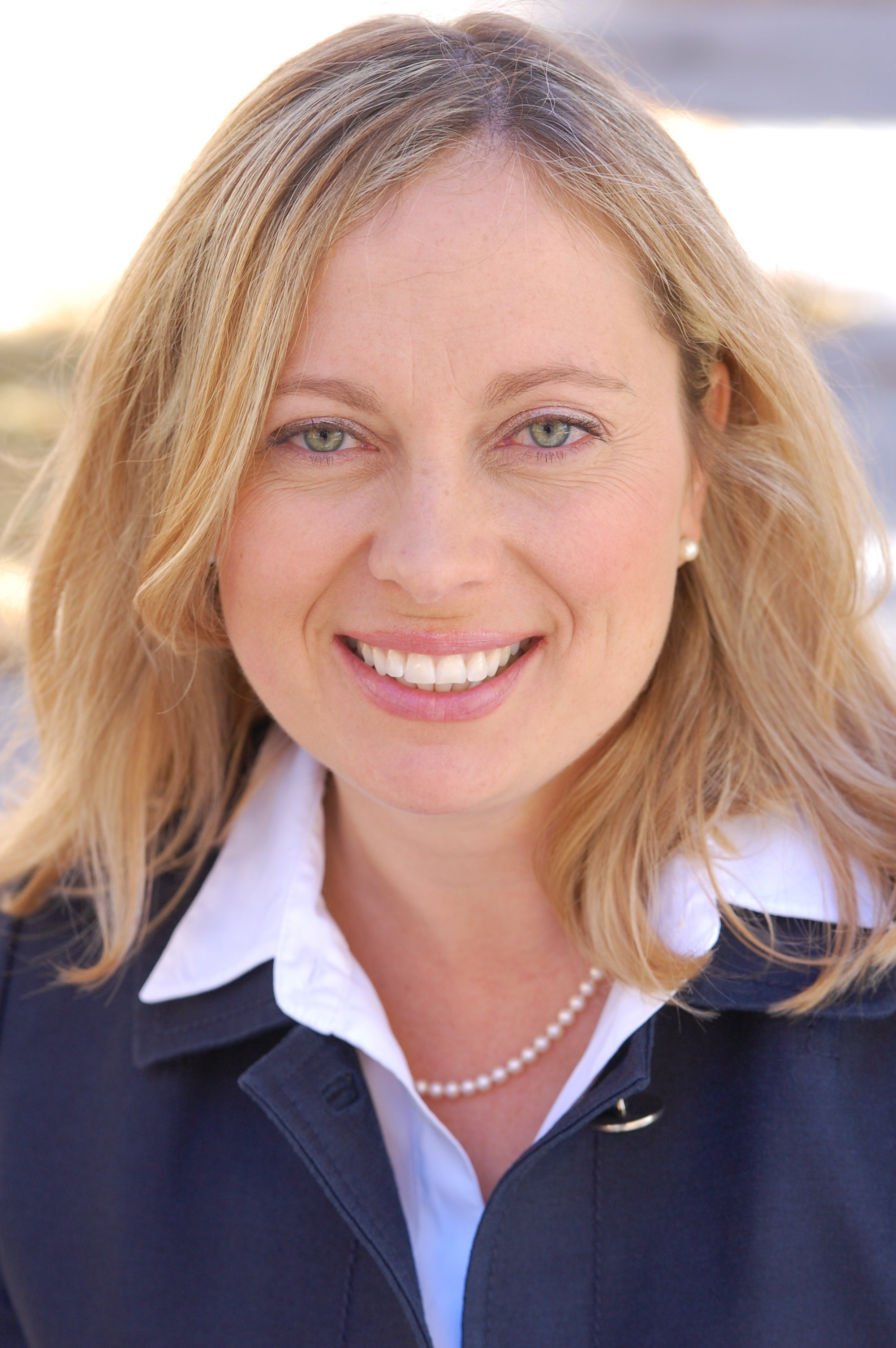
Natalie Serkova, professor and vice chair for research in the Department of Radiology at CU Anschutz
Her interest in both medicine and physics started young.
“I was quite a sick child, so I saw a lot of doctors,” Serkova said. “I was doing injections into my teddy bear since I was five, let's put it this way. And my dad was an airplane engineer and physicist, so I also liked physics quite a lot, and this is why I decided to go into medical physics.”
Any medical professional can pursue a variety of tracks, from hospital or clinical practice to for-profit research to academic research and teaching. In Serkova’s career, she’s shown a longstanding interest in advancing subsequent generations of practitioners.
“I love and I'm passionate about everything — seeing my patients, obviously, doing advanced radiological imaging research, and teaching. And teaching is a very broad definition. It's not just your obvious class teaching, lecture teaching. Being a mentor is also teaching,” Serkova said. “And I think this is something that most faculty I know, my colleagues, enjoy tremendously.”
Serkova specializes in oncologic imaging and serves as CU Cancer Center associate director for shared resources [11]. She also serves as director of the Colorado Clinical and Translational Sciences Institute (CCTSI)’s Colorado Pilot (CO-Pilot) Grant Program [12]. In 2025, this program accepted hundreds of applications and awarded nine grants [13] to fund early-stage, preparatory or feasibility studies by mentored and junior investigators.
Serkova has been a strong advocate for junior researchers, empowering them to identify and secure vital funding for their research.
“We have to prepare junior investigators for their careers,” Serkova said. “So, we definitely need to make sure that we provide not just an opportunity, meaning those pilot grants which I oversee for the CCTSI, but we also teach them how to be competitive and how to apply for these funding opportunities.”
Serkova herself has found valuable support and mentorship throughout her career, and her experience with CU’s Excellence in Leadership Program stands out.
“What I really like about ELP is that it was not just focused on the leadership per se, right? On how to build your goal, how to advance in your profession.” Serkova said. “It was really built on communicating with our own people. We are so diverse. We are such a big institution, right? And the challenges, the roadblocks, as well as the opportunities might be different on the different campuses. It was so great to learn how other leaders organize their lives, make their campuses more advanced — it was just wonderful. This is an aspect which I have never seen before in any other program.”
When Serkova received news that she’d won the Excellence in Leadership Award, she was in the imaging center running a scan on a dementia patient and glossed over the email from ELP. It wasn’t until Janine Higgins, the CCTSI director of operations and Serkova’s lead nominator for the award, texted her that she read the full email.
“I was just shocked and I would not believe it because, I mean, it's for the entire CU system,” Serkova said. “When I discovered that I was getting this award, I also saw that this year, for the first time, you're giving two awards, right? You're giving it to a faculty and staff member.”
“We just rely so much on our relationship with our staff. And, I mean, their role is just unbelievable and very important as well. So, I'm very pleased about this.”